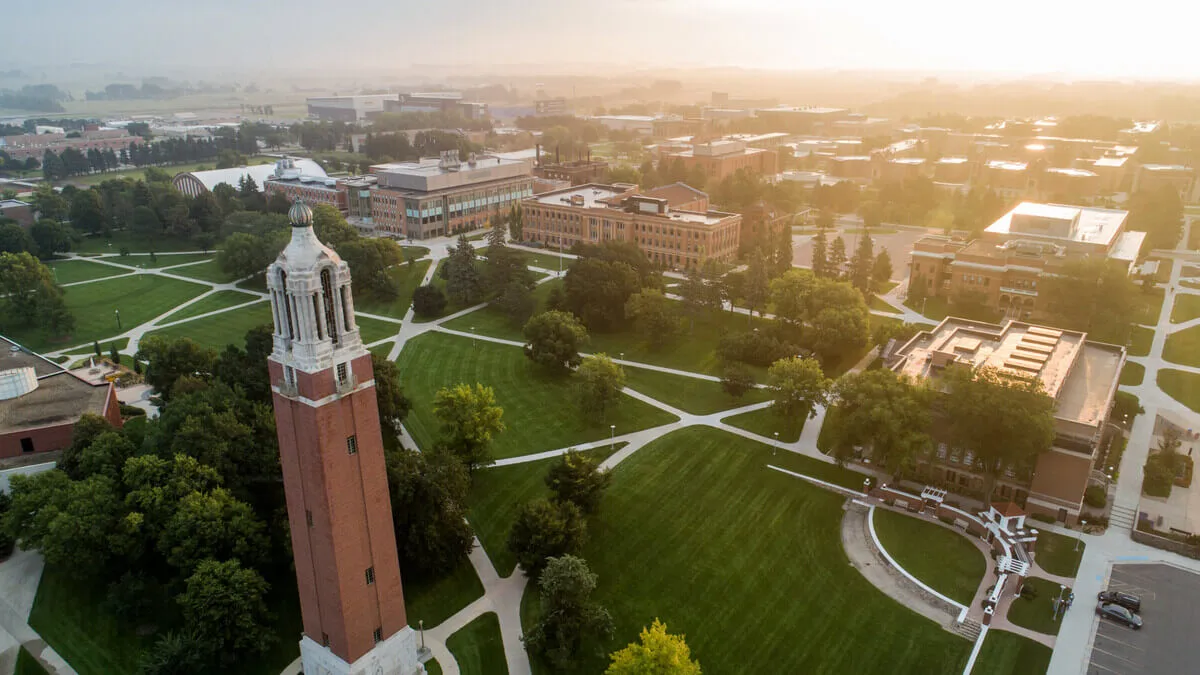
The South Dakota State University Scholarship 2027 offers a fully funded PhD opportunity in wildlife ecology and conservation in the USA. Hosted by the Severud Wildlife Ecology Lab, the four-year research project focuses on the population ecology and restoration of Rocky Mountain bighorn sheep in South Dakota. The funding package includes a $24,000 annual graduate stipend, tuition support, research and field expenses, and professional travel funding. The project combines GPS/VHF telemetry, population surveys, recruitment monitoring, mortality investigations, GIS, and long-term datasets while providing opportunities to collaborate with university, Tribal, state, federal, and conservation partners.
South Dakota State University Scholarship 2027 – Key Details
- Host Country: United States
- University: South Dakota State University
- Study Level: PhD / Doctoral
- Category: Postgraduate Scholarships | PhD Scholarships
- Eligible Countries: All Countries
- Scholarship Type: Fully Funded
- Annual Stipend: $24,000
- Additional Benefits: Tuition support, research expenses, field support, and professional travel
- Research Area: Wildlife Ecology, Population Ecology, Conservation Biology
- Expected Start Date: January 2027
- Program Duration: Four years
- English Requirement: No IELTS Required
- Application Deadline: December 19, 2026
About the South Dakota State University PhD Scholarship
The opportunity is offered through the Severud Wildlife Ecology Lab at South Dakota State University and focuses on Rocky Mountain bighorn sheep population ecology and restoration.
The selected PhD student will investigate how bighorn sheep respond to population augmentation and recovery efforts. The research will contribute to wildlife conservation and management while addressing practical questions related to population growth, survival, habitat use, and successful restoration.
The project will use a combination of field research, ecological monitoring, quantitative analysis, and existing long-term datasets.
Research Areas
The PhD research may explore several aspects of bighorn sheep ecology and restoration, including:
- Survival and causes of mortality among resident and translocated bighorn sheep.
- Post-translocation movements and establishment.
- Integration of translocated animals with resident subherds.
- Habitat use and factors affecting successful establishment.
- Reproduction and lamb recruitment.
- Population growth and demographic responses to augmentation.
- Development of monitoring and analytical approaches for long-term management.
The project will also include disease surveillance and biological sample collection that may support complementary genetic or other analyses.
Specific dissertation questions will be developed collaboratively according to the student’s interests, available data, and wildlife-management needs.
Fieldwork and Collaboration
This is a highly collaborative and applied research project involving South Dakota State University, Badlands National Park, the South Dakota Department of Game, Fish and Parks, Oglala Sioux Parks and Recreation Authority, and other state, Tribal, federal, academic, and conservation partners.
The selected student may participate in:
- Bighorn sheep capture and translocation.
- GPS/VHF telemetry.
- Population surveys.
- Recruitment monitoring.
- Mortality investigations.
- Wildlife handling.
- Disease surveillance.
- Habitat and ecological assessments.
- Data management and statistical analysis.
- Communication of findings to project partners.
Eligibility Criteria
Applicants should meet the following requirements:
- Hold an M.S. degree in Wildlife Ecology, Biology, Natural Resources, or a closely related field.
- Have experience conducting wildlife field research.
- Demonstrate an interest in wildlife population ecology, quantitative ecology, and applied conservation.
- Have experience with R and statistical analysis, or demonstrate willingness to develop quantitative skills.
- Possess strong written and verbal communication skills.
- Ability to work independently and collaboratively with diverse project partners.
- Willingness to conduct fieldwork under challenging conditions.
- Hold a valid driver’s license.
- Experience with GIS, population modeling, wildlife capture and handling, GPS/VHF telemetry, or demographic analysis is desirable but not required.
- Demonstrate scientific curiosity and an interest in research that directly supports wildlife conservation and management.
Applicants are not expected to have experience in every listed research area.
Scholarship Benefits
The South Dakota State University PhD opportunity provides financial support throughout the planned four-year research project.
$24,000 Annual Stipend
Selected students are expected to receive a $24,000 annual graduate stipend as part of the funding package.
Tuition Support
The project includes tuition assistance, helping reduce the cost of doctoral study.
Research and Field Expenses
Funding is incorporated for research activities and fieldwork associated with the bighorn sheep restoration project.
Professional Travel
The funding structure also includes support for professional travel, allowing the student to participate in relevant conferences and professional activities.
Practical Research Experience
Students will gain hands-on experience in wildlife conservation, population monitoring, quantitative ecology, telemetry, wildlife handling, and applied research.
Program Duration and Start Date
- Expected Start Date: January 2027
- Program Duration: Four years
- Degree: PhD
- Research Focus: Bighorn sheep population ecology and restoration
The opportunity is designed as a four-year doctoral research and wildlife restoration project. The funding structure includes a graduate stipend, tuition support, research expenses, field support, and professional travel.
Note: Final funding arrangements and administrative agreements are currently being completed.
Required Documents
Applicants should prepare the documents normally required for the relevant South Dakota State University graduate application and research position. These may include:
- Academic transcripts.
- Curriculum vitae (CV).
- Statement of purpose or research statement.
- Contact information for references.
- Letters of recommendation, where required.
- Evidence of wildlife research or field experience.
- Writing sample or publications, if requested.
- English-language documentation, where applicable.
- Any additional documents requested by the graduate program or research supervisor.
Applicants should check the official university requirements before submitting their application.
English Language Requirement
The scholarship information provided states that IELTS is not required. However, international applicants should verify South Dakota State University’s current English-language proficiency requirements and any applicable exemptions before applying.
How to Apply for South Dakota State University Scholarship 2027
Follow these steps to apply:
- Visit the official South Dakota State University website.
- Review the relevant graduate and PhD programs.
- Check the requirements for the wildlife ecology research opportunity.
- Prepare your CV, academic transcripts, research statement, and other supporting documents.
- Highlight your wildlife fieldwork, quantitative research, R, GIS, telemetry, or conservation experience.
- Submit the required graduate application.
- Follow any additional instructions provided by the Severud Wildlife Ecology Lab or project partners.
- Ensure all required materials are submitted before the December 19, 2026 deadline.
- Monitor your email for application and selection updates.
Application Deadline
The application deadline for the South Dakota State University Scholarship 2027 is:
December 19, 2026
Applicants should prepare their application materials early to allow enough time for transcripts, references, and other supporting documents.
Who Should Apply?
This PhD opportunity may be suitable for applicants who:
- Have an M.S. in wildlife ecology, biology, natural resources, or a related field.
- Are interested in wildlife population ecology.
- Want to work on bighorn sheep conservation and restoration.
- Have wildlife field research experience.
- Are interested in quantitative ecology and statistical analysis.
- Enjoy practical fieldwork and wildlife monitoring.
- Want to pursue applied conservation research.
- Are comfortable working with university, Tribal, state, and federal partners.
Apply Now
Frequently Asked Questions (FAQs)
1. What is the South Dakota State University Scholarship 2027?
It is a fully funded PhD research opportunity focused on the population ecology and restoration of Rocky Mountain bighorn sheep in South Dakota.
2. What is the annual stipend?
The advertised funding package provides a $24,000 annual graduate stipend.
3. What does the scholarship cover?
The funding package includes a graduate stipend, tuition support, research expenses, field support, and professional travel.
4. How long is the PhD project?
The project is designed as a four-year PhD research and wildlife restoration project.
5. When does the PhD position start?
The anticipated start date is January 2027.
6. What will the PhD research focus on?
The research focuses on Rocky Mountain bighorn sheep population ecology, restoration, survival, reproduction, habitat use, translocation, and population augmentation.
7. Is an M.S. degree required?
Yes. Applicants are expected to hold an M.S. degree in Wildlife Ecology, Biology, Natural Resources, or a closely related field by the anticipated start date.
8. Is wildlife field experience required?
Relevant wildlife field research experience is expected. Experience with specific methods such as telemetry, GIS, wildlife capture, and population modeling is desirable but not required.
9. Do I need experience with R?
Experience with R and statistical analysis is beneficial. Applicants without extensive experience may still be considered if they demonstrate quantitative potential and willingness to develop these skills.
10. Is IELTS required?
The provided scholarship information states No IELTS Required. International applicants should nevertheless verify the university’s current English-language requirements and applicable exemptions.
11. Who can apply?
The provided information lists all countries as eligible, subject to meeting the academic and program requirements.
12. Is fieldwork part of the PhD?
Yes. The student is expected to participate in field activities such as bighorn sheep capture and translocation, telemetry, population monitoring, mortality investigations, and biological sample collection.
13. What is the application deadline?
The application deadline is December 19, 2026.